Hair PRP Applications: Biological Support from Your Own Blood
Hair loss is a common dermatological issue that individuals of all ages may face due to both genetic predispositions and environmental factors. Although the shedding of a certain amount of hair strands in daily life is considered physiologically normal, an increase in the rate of shedding and the onset of thinning in the scalp require medical evaluation. In current medical practice, different treatment protocols are applied to support the nourishment of hair follicles and trigger cellular renewal. One of the prominent methods among these medical approaches is hair PRP applications.
This method, in which the individual's own biological material is used, is often researched because it does not involve the integration of any chemical substance from outside. In this comprehensive guide, we will transparently discuss how PRP treatment works at the cellular level, the clinical application steps, and the medical facts that should be known about the process.
What Is PRP (Platelet Rich Plasma) and How Does It Work?
PRP, formed from the initials of the English phrase "Platelet Rich Plasma," is translated into Turkish as "Trombositten Zengin Plazma." Platelets are cells found in our blood whose main function is to initiate tissue repair by ensuring clotting when the integrity of a blood vessel is compromised. When any damage occurs in our body, platelets quickly migrate to that area and begin the healing process by releasing the "growth factors" they contain.
The basic logic of hair PRP applications is also based on this biological repair mechanism. The plasma obtained by separating blood in a laboratory environment and containing a much higher concentration of platelets than normal blood is delivered directly to the target tissue where the hair follicles are located (the dermis). The concentrated growth factors injected into the area aim to accelerate cellular metabolism by stimulating weakened or dormant hair follicles.
How Is Hair PRP Treatment Applied?
The PRP procedure carried out in clinical settings and by specialist physicians is a medical procedure consisting of highly specific stages. Each step of the procedure is carried out in strict compliance with sterilization rules.
1. Blood Collection and Preparation Phase
In the first stage of the process, approximately 10 to 20 cc of blood is drawn from a vein in the patient's arm, as in standard blood tests. This blood is transferred into sterile tubes containing special substances that prevent clotting. At this stage, the patient's general health status and vascular structure should have been evaluated by the physician beforehand.
2. Centrifugation and Separation Process
The blood collected in special tubes is placed in a medical device called a centrifuge that spins at high speed. Thanks to this spinning process, which takes about 10-15 minutes, the blood separates into different layers according to their weight. While the red blood cells (erythrocytes) settle at the bottom of the tube, the yellow-colored plasma fluid, which is extremely rich in platelets and growth factors, accumulates in the upper part.
3. Target Tissue Injection Phase
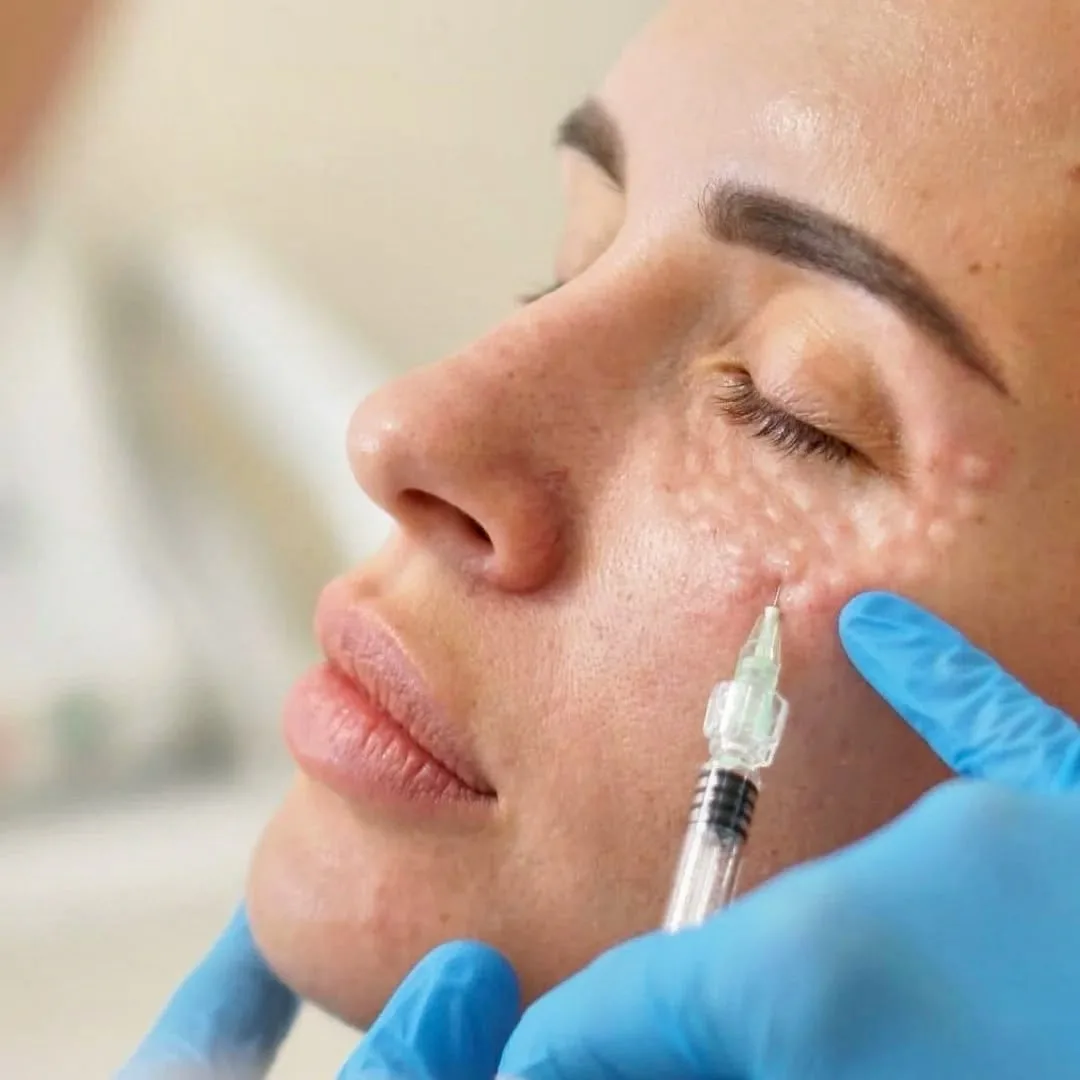
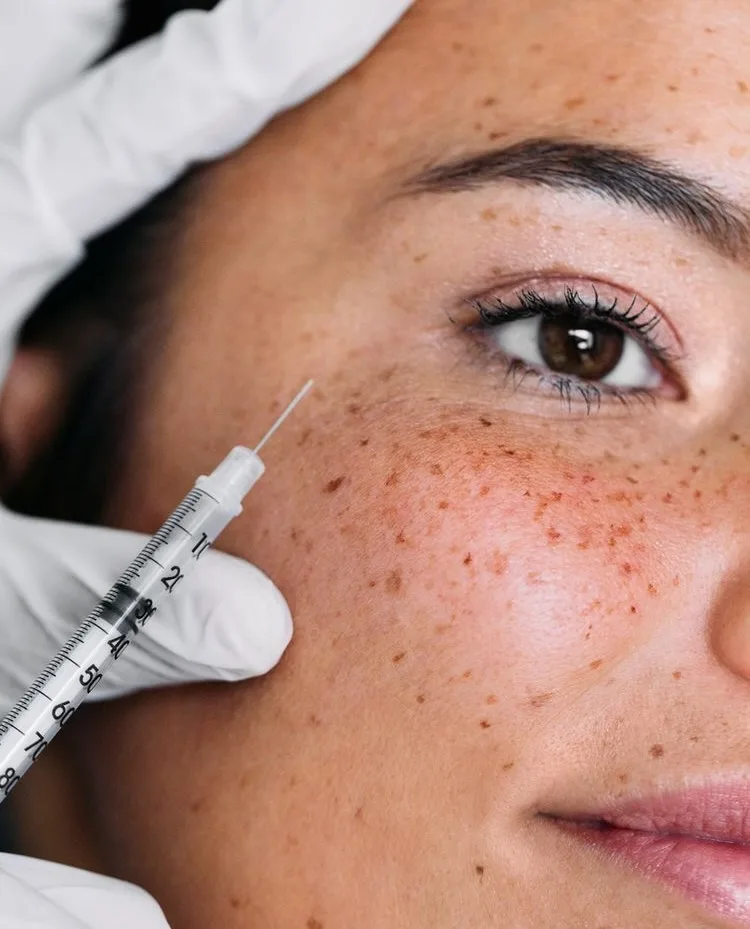
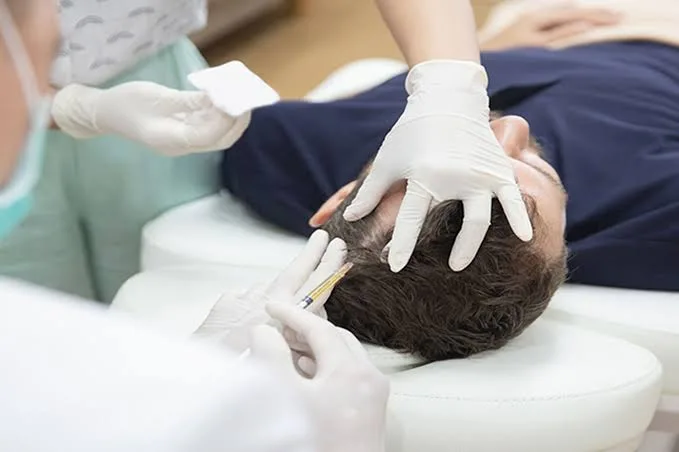
This valuable plasma is injected into the scalp, especially into the areas where shedding and thinning are intense, at millimetric intervals with the help of very fine micro-needles (mesotherapy needles). Before the procedure, local anesthetic creams may be applied to the scalp or cold application may be performed in order to ensure patient comfort. All these stages are generally completed within 30 to 45 minutes.
Who Can Receive Hair PRP Treatment?
Although hair PRP applications appeal to a broad patient profile, they do not show the same mechanism of effect in every type of hair loss. The suitability of the treatment is determined by the physician according to the main cause underlying the shedding.
Situations in Which the Procedure Is Preferred:
Those in the early stages of male pattern hair loss (androgenetic alopecia).
Women experiencing diffuse hair thinning.
Those experiencing acute shedding due to seasonal changes or intense stress.
Those who want to strengthen weakened hair strands due to vitamin and mineral deficiencies.
Those seeking supportive treatment after hair transplantation surgery to increase the retention rate of the transplanted grafts (follicles) and accelerate the healing of the donor area.
Situations in Which the Procedure Cannot Be Performed (Contraindications):
Patients with blood clotting disorders (hemophilia, etc.).
Individuals whose platelet count is below medical limits.
Individuals receiving active cancer treatment (chemotherapy/radiotherapy) or who have had certain types of cancer in the past.
Those with active infection, open wounds, or severe inflammation on the scalp.
Individuals with autoimmune diseases.
Session Intervals and Treatment Process
The biological cycle of hair follicles (anagen, catagen, telogen phases) progresses quite slowly. Therefore, PRP treatment is not a one-time procedure; stimulating the hair follicles and initiating the renewal process require a certain amount of time and repeated stimulation.
According to medical protocols, the number of sessions and intervals are personalized by the physician according to the patient's current hair structure and the severity of shedding. In general, an initial course of 4 to 6 sessions at intervals of 2 to 4 weeks is planned at the beginning. After this intensive initial course, maintenance (protective) sessions are recommended once or twice a year in order to preserve the achieved cellular vitality. Visible results of cellular renewal generally begin to appear gradually in the weeks after the 3rd or 4th session, depending on the speed of the hair cycle.
Medical Rules to Consider After the Procedure
There are certain standard rules that patients should follow so that the benefit obtained after PRP application does not decrease and possible complications are prevented. The first 24 hours after the procedure are a critical window in terms of the injected plasma penetrating the tissue.
For the first 24 hours after the procedure, the hair should not be washed and no chemical styling products (gel, spray) should be applied to the scalp.
Since micro-level open channels exist in the injection sites, places with a risk of infection such as baths, saunas, pools, or the sea should be avoided on the first day.
Heavy physical exercise should be avoided on the day of the procedure, as it may excessively accelerate blood circulation and cause the injected plasma to move away from the target area.
Mild redness, edema, or a stinging sensation that may occur on the scalp usually subsides on its own within a few hours. However, no painkillers or ointments not recommended by the physician should be used; some anti-inflammatory drugs may suppress the mechanism of action of platelets.
Warning Text for Health Services Promotion and Information Activities
This article has been written in accordance with the provisions of the "Regulation on Promotion and Information Activities in Health Services," solely for the purpose of protecting public health and informing the public objectively about hair PRP, a medical procedure.
None of the information presented here replaces a medical diagnosis, a definitive treatment promise, a guaranteed result, or a physician's examination. Hair loss is a multifactorial health problem, and each individual's genetic makeup, hormonal balance, and blood values directly affect how they respond to cellular treatments. The effectiveness of PRP treatment varies greatly from person to person, and only a medical doctor specialized in the field can decide whether the procedure is suitable for you after carrying out the necessary clinical and laboratory tests. In order not to put your own health at risk, please consult licensed healthcare institutions and authorized physicians for diagnosis and treatment processes.
The process of achieving healthy hair depends on steps taken in the light of scientific data and with proper physician guidance. Entrusting the reparative potential offered by your own biology to the safe hands of medicine will be the most rational approach in this process.