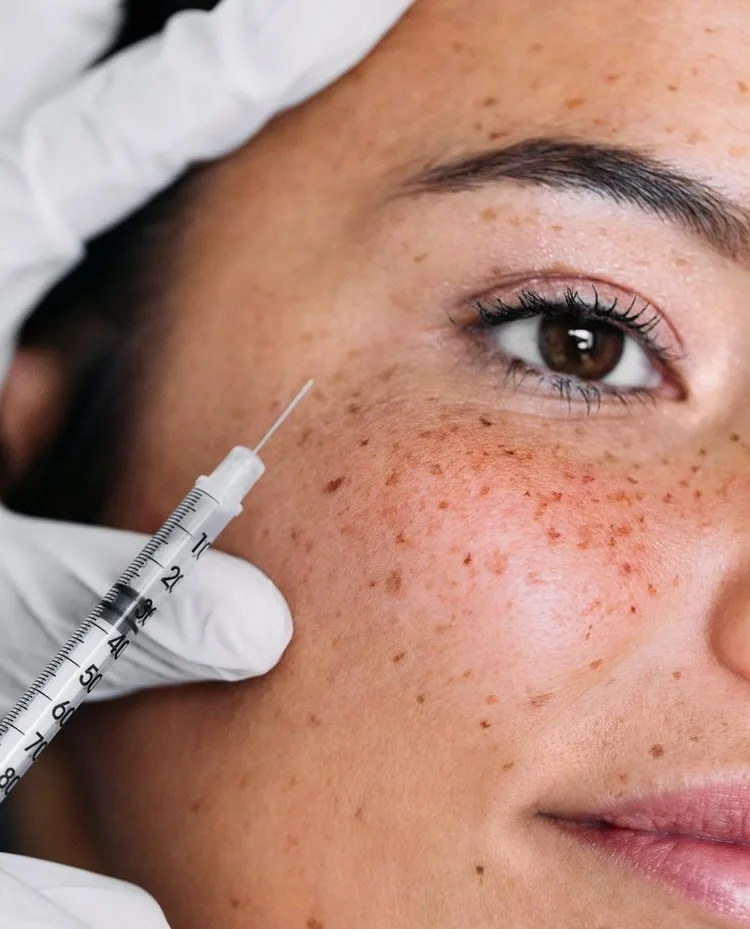
What is Botox? Botox is one of the most popular non-surgical aesthetic treatments used to reduce the appearance of facial lines and wrinkles caused by repeated muscle movements. In addition to cosmetic purposes, Botox can also be used for certain medical conditions. The treatment is based on the controlled injection of botulinum toxin into specific muscles.
When performed by a qualified medical professional, Botox can help create a smoother and more refreshed facial appearance while maintaining a natural look. However, every treatment should be individually planned according to the person's facial anatomy, skin characteristics, expectations, and overall health.
How Does Botox Work?
Botox works by temporarily reducing the signals between specific nerves and muscles. When muscle activity is reduced, dynamic wrinkles caused by repeated facial expressions can become less noticeable.
As people age, reduced skin elasticity combined with repetitive facial movements can make wrinkles more visible. Botox can help control excessive muscle activity in targeted areas, allowing the skin to appear smoother and more relaxed.
Which Areas Can Be Treated with Botox?
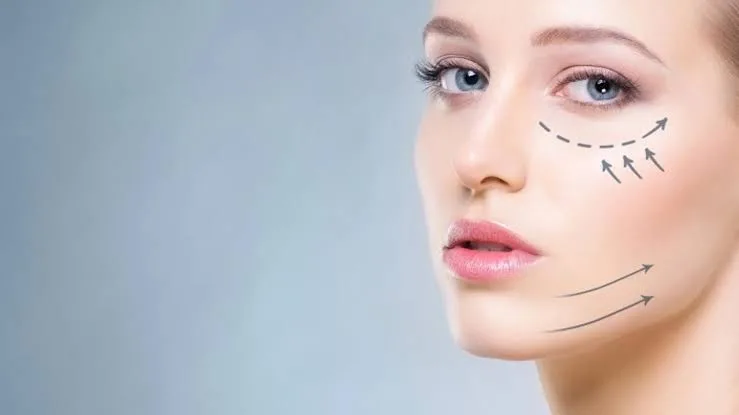
When people think about Botox, facial applications are usually the first thing that comes to mind. The most commonly treated areas include forehead lines, frown lines between the eyebrows, and crow's feet around the eyes.
Depending on the individual's facial structure, Botox may also be used to create a more balanced eyebrow appearance or soften certain facial expressions. Treatment points and dosage should always be determined according to the patient's anatomy rather than using the same approach for everyone.
What Are the Benefits of Botox?
One of the main benefits of Botox is that it can help reduce the appearance of certain facial wrinkles without requiring surgery. The procedure is generally quick, and many people can return to their normal daily activities shortly afterward.
What is Botox and why is it popular? One important reason is that properly administered Botox can reduce excessive muscle activity without necessarily eliminating natural facial expressions. However, the results can vary depending on the injection technique, product used, treatment area, and individual anatomy.
Botox is also used for certain medical purposes. For example, under appropriate medical supervision, it may be considered for conditions such as excessive sweating and certain types of muscle spasms.
How Is Botox Administered?
Before treatment, a qualified healthcare professional evaluates the patient's facial structure, muscle activity, and aesthetic goals. The appropriate injection points are then determined.
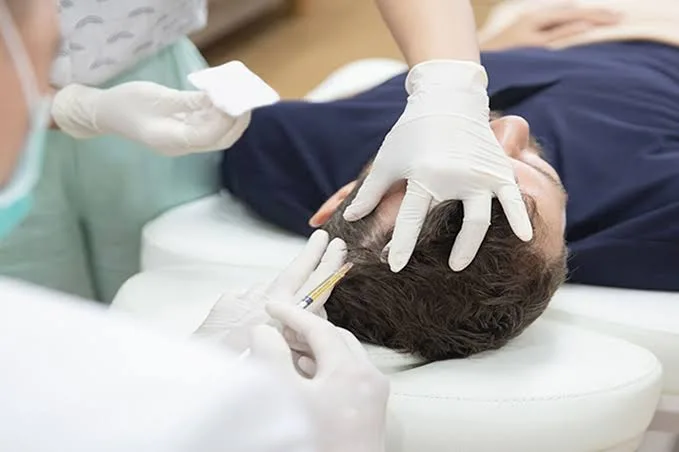
Botox is administered using very fine needles, with carefully measured amounts injected into selected muscles. The procedure generally takes a relatively short time, although the duration depends on the number of areas being treated.
Temporary redness, sensitivity, or small injection marks may appear after treatment. These effects are generally short-lived. The onset and duration of Botox results can vary from person to person.
Is Botox Permanent?
Is Botox permanent? This is one of the most common questions among people considering treatment. Botox is not a permanent procedure. Its effects gradually decrease as the targeted muscles regain their normal activity.
Some people choose to have repeat treatments when the effects begin to wear off. The appropriate timing should be determined individually by a qualified healthcare professional. Repeated treatments should not be performed unnecessarily or at excessively short intervals.
Who May Be Suitable for Botox?
Whether Botox is appropriate depends on several individual factors, including age, facial anatomy, muscle activity, skin condition, medical history, and treatment expectations.
People who are pregnant or breastfeeding, those with certain neuromuscular conditions, individuals taking specific medications, or people with an active infection in the treatment area should discuss their situation with a healthcare professional before considering Botox.
For this reason, online information should not replace an individual medical evaluation. A consultation with a qualified dermatologist, plastic surgeon, or another appropriately trained healthcare professional can help determine whether Botox is suitable.
What Should You Do After Botox?
Following the healthcare professional's post-treatment recommendations is important. Patients should avoid unnecessary pressure or manipulation of the treated areas and follow any specific aftercare instructions provided by their practitioner.
Everyone responds differently to Botox. If severe, unusual, or unexpected symptoms occur after treatment, the patient should contact the healthcare professional who performed the procedure.
What Should You Consider Before Getting Botox?
Understanding what is Botox is only one part of making an informed decision. It is equally important to consider who will perform the treatment and where it will be performed.
Botox is a medical procedure that requires appropriate knowledge, training, and experience. Rather than choosing a provider based solely on price, patients should consider the practitioner's qualifications and experience, the quality and authenticity of the product being used, and the standards of the clinic.
It is also important to have realistic expectations. Botox does not eliminate every type of wrinkle. Dynamic wrinkles caused by muscle movement generally respond better to Botox, while deeper lines that remain visible even when the face is relaxed may require different treatment approaches.
Conclusion
In simple terms, what is Botox? Botox is a temporary treatment that reduces the activity of specific muscles and can be used for both aesthetic and certain medical purposes. In cosmetic applications, it is particularly useful for reducing the appearance of dynamic facial lines and wrinkles.
The quality of Botox results depends on several factors, including proper patient selection, appropriate dosage, accurate injection points, and the experience of the healthcare professional. Anyone considering Botox should consult a qualified medical professional to discuss their expectations, suitability, potential benefits, and possible risks before undergoing treatment.