The orange-peel appearance that appears on the hips, legs, or abdomen when you look in the mirror is an entirely natural condition that approximately 90% of women encounter at some point in their lives. Although it is often associated only with weight gain, cellulite is actually a structural condition directly linked to the connective tissue and circulatory system in the lower layers of the skin.
Today, thanks to technological advances in aesthetic medicine and dermatology, it is possible to significantly reduce the appearance of cellulite and, with the right combinations, even give the skin a smooth elasticity. In this comprehensive guide, we cover the process in all its aspects, from the biological background of cellulite to the latest clinical technologies, from at-home steps to eating habits.
What Is Cellulite and Why Does It Form?
Cellulite, medically known as edematous fibrosclerotic panniculopathy, occurs as a result of the enlargement of fat cells beneath the skin and the vertical bands of connective tissue (fibrous septa) surrounding these cells pulling the skin downward. As fat lobules push upward while the tightened connective tissue pulls the skin down, a wavy, dimpled appearance forms on the surface.
The belief that cellulite is seen only in overweight individuals is completely false; due to genetic factors and hormones, it can also commonly appear in thin women.
Main Factors That Trigger Cellulite Formation
Estrogen Hormone: Estrogen regulates fat storage, vascular permeability, and fluid retention in the female body. Cellulite may become more pronounced during periods of hormonal fluctuation such as puberty, pregnancy, use of birth control pills, and menopause.
Genetic Predisposition: Skin thickness, metabolic rate, connective tissue strength, and the distribution of fat cells are directly related to your genetic inheritance.
Circulatory Disorders and Lymphatic Stagnation: Poor microcirculation leads to fluid buildup in the tissues (edema). When edema is not cleared, the tissue hardens and the fibrous bands lose their elasticity.
Sedentary Lifestyle: Working while sitting for long periods or being inactive weakens muscle tone and slows blood circulation in the legs.
Eating Habits: Excessive salt intake increases water retention; refined sugar, processed carbohydrates, and trans fats disrupt collagen structure (glycation).
Dehydration: Insufficient water intake leads to thinning of the skin and makes irregularities in the lower layers more noticeable.
Stages of Cellulite: How Can You Determine Your Condition?
To create an effective treatment plan, it is necessary to correctly determine which stage the current condition is in. Experts generally classify cellulite into four main stages:
Stage | Clinical Appearance | Symptoms |
Stage 0 | Smooth | No dimpling is seen when standing or lying down; even when the skin is pinched, no waviness appears. |
Stage 1 | Hidden / Early | The skin is smooth while standing; however, when the area is pinched with the fingers, an orange-peel appearance emerges. |
Stage 2 | Visible | Dimpling is visible to the naked eye while standing; however, the skin smooths out when lying down. Tissue temperature is slightly lower. |
Stage 3 | Advanced / Established | The dimples are prominent both while standing and while lying on the back. Edema, firmness, and sometimes mild pain may be felt in the area. |
Modern Clinical Cellulite Treatment Methods
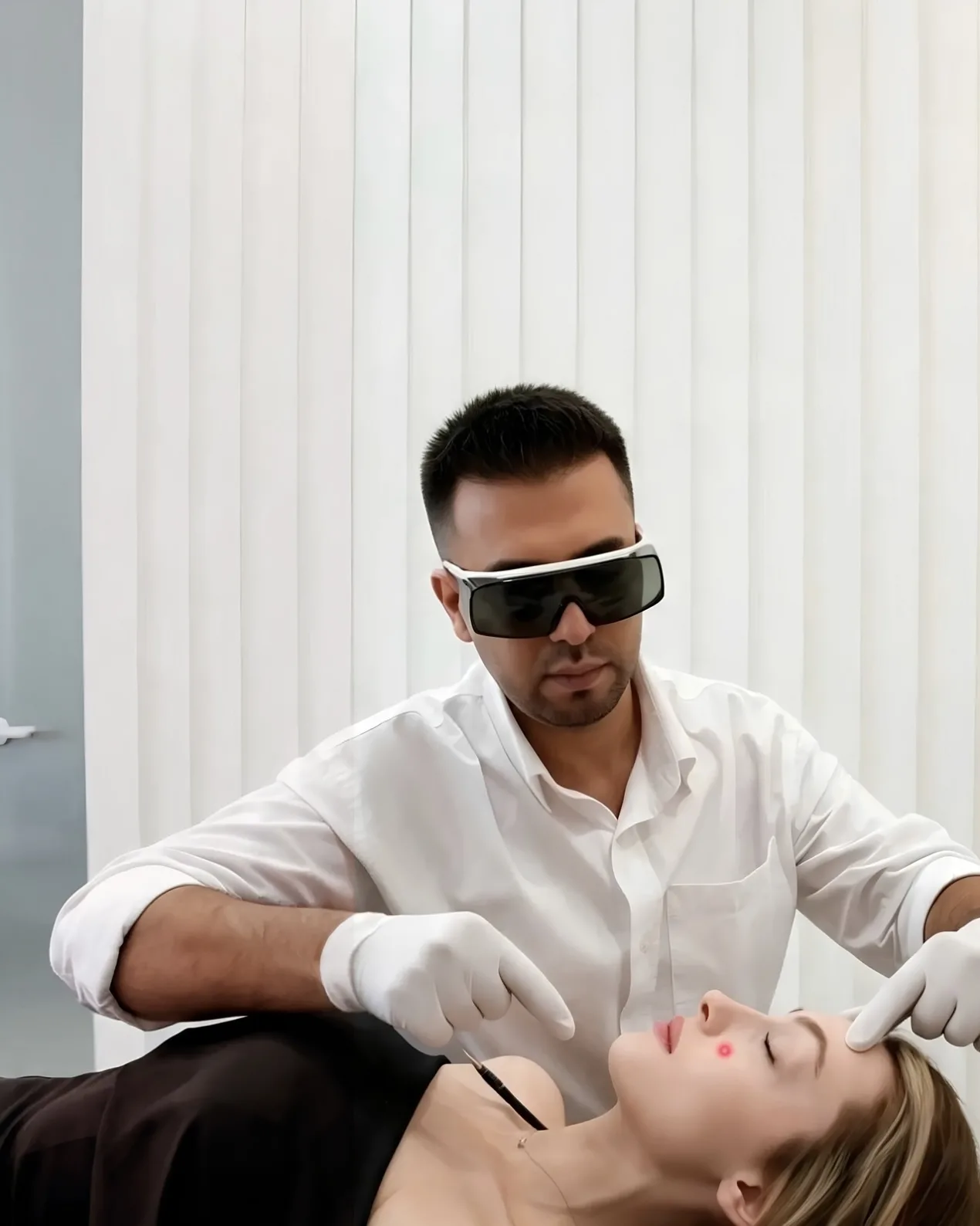
Although at-home massages and creams provide superficial moisturizing, medical devices and specialist interventions are needed to break down established cellulite bands.
1. Acoustic Wave Therapy (AWT / Shock Wave)
Acoustic wave therapy works by transmitting high-energy sound waves into the depths of the tissue. These waves loosen hardened fibrous bands, stimulate microcirculation, and trigger new collagen production.
Who Is It Suitable For? It is particularly effective for edematous cellulite and cellulite with loose tissue.
Session Duration: It is usually planned as 6-10 sessions; it is a painless and non-surgical method.
2. Radiofrequency and Vacuum Therapies (Velashape etc.)
Radiofrequency energy heats the lower layers of the skin in a controlled manner, tightening existing collagen fibers and stimulating fibroblasts. The mechanical vacuum and roller massage in the device head accelerate lymphatic drainage, helping to remove edema.
Advantage: It both reduces cellulite dimples and creates a noticeable refinement and tightening of the skin.
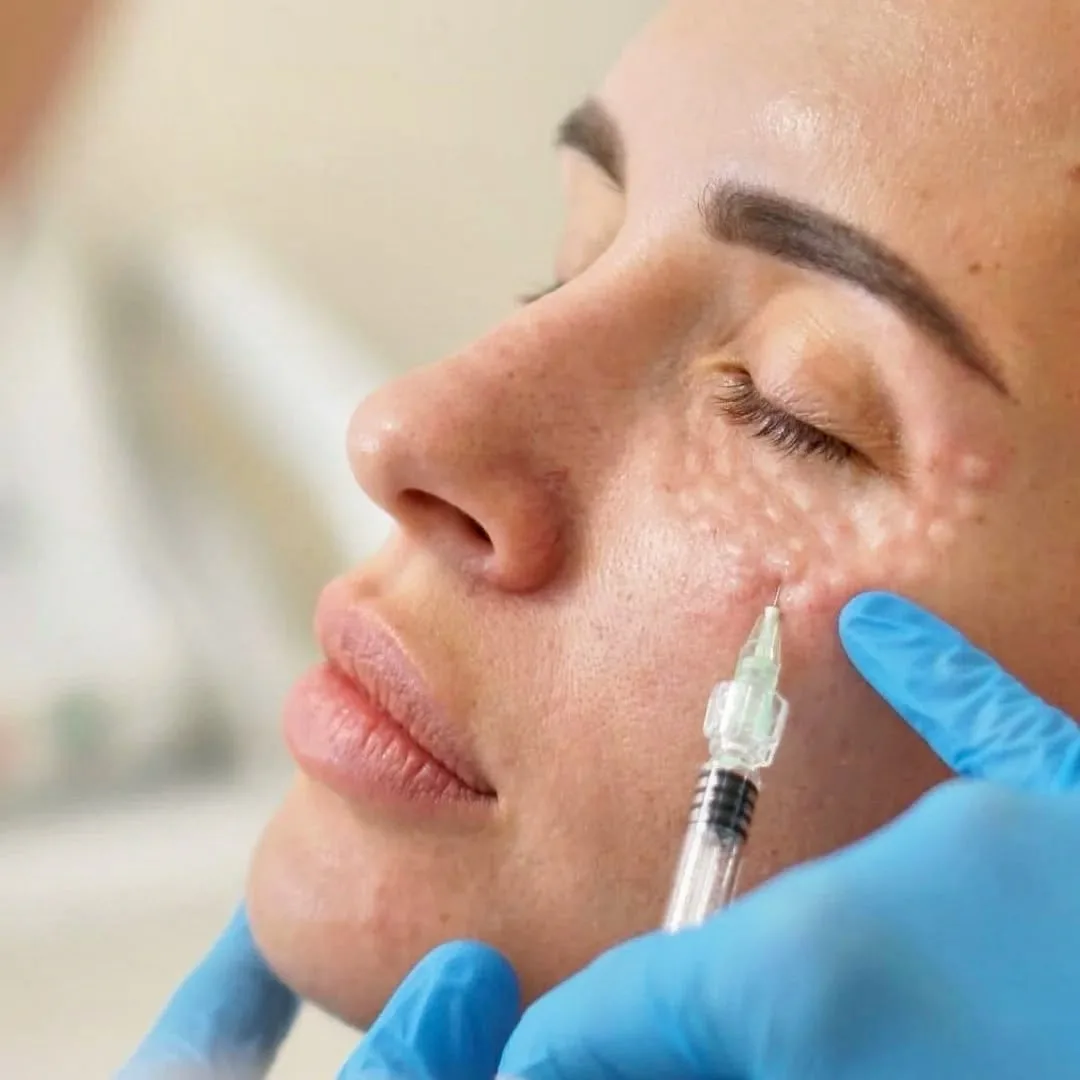
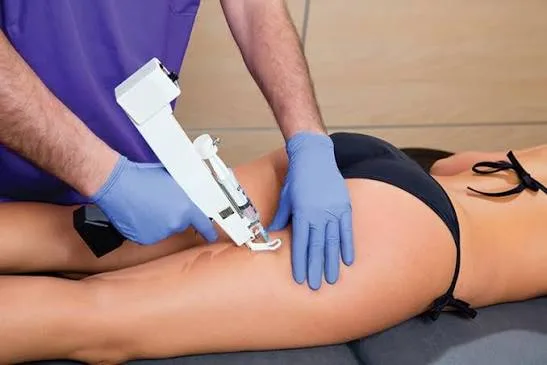
3. Mesotherapy
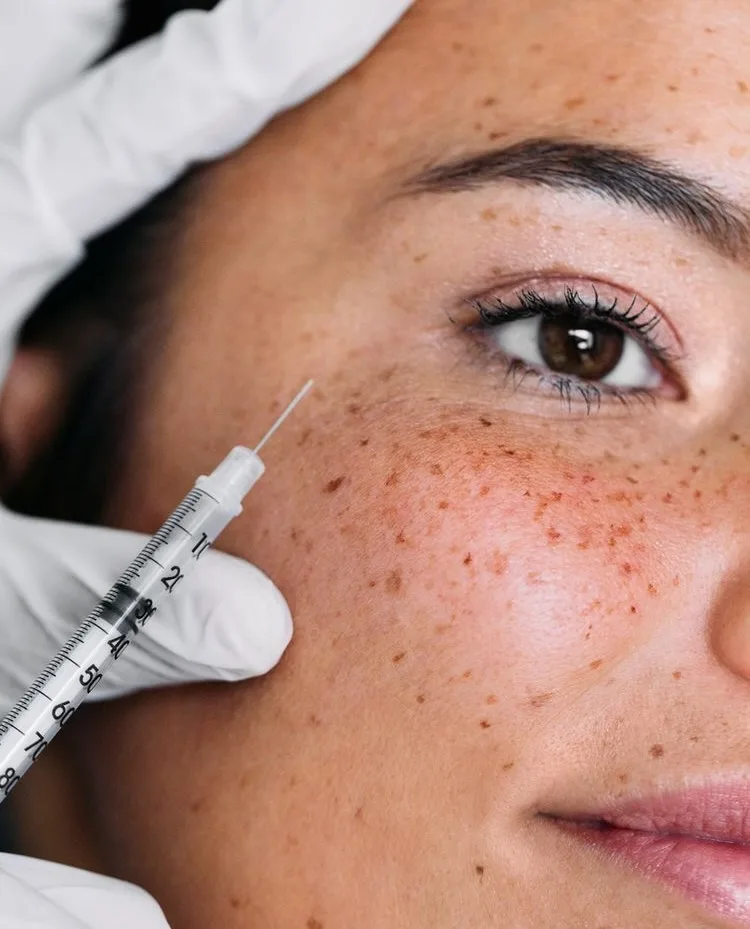
This involves injecting special cocktails that accelerate circulation, support fat breakdown (lipolysis), and strengthen connective tissue into the mesoderm layer with fine needles. The mixtures usually contain caffeine, artichoke extract, L-carnitine, organic silicon, and hyaluronic acid.
Mechanism of Action: It directly targets regional circulation and increases metabolic activity in the tissue.
4. Subcision Method (Mechanical Tissue Release)
For the treatment of deep, fixed crater-like dimples, especially in Stage 3, surgical or micro-surgical subcision is preferred. Special fine cannulas are inserted under the skin to mechanically cut the hard fibrous septa pulling the skin downward.
Result: Once the band is released, the depression on the surface immediately rises and becomes smoother. The effect is long-lasting.
5. Laser-Assisted Treatments (Cellulaze and Endolift)
Micro fiber-optic laser energy delivered under the skin both melts fat lobules and breaks down vertical bands with thermal energy. At the same time, it heats the dermis, increasing skin elasticity in the long term.
6. G5 Massage and Pressotherapy (Lymph Drainage)
G5 massage, which works with rapid vibrations and pushing force, disperses lactic acid buildup, relaxes the muscles, and opens the lymph channels. When combined with pressotherapy (lymph drainage suit), it speeds up the removal of excess fluid from the body.
Lifestyle and At-Home Care: Steps That Support Treatment
To preserve the success of clinical treatments and prevent new cellulite from forming, it is essential to reorganize daily habits.
1. Dry Brushing Technique
Dry brushing done with a natural horsehair brush in the morning before showering removes dead cells on the surface while mechanically stimulating lymph circulation beneath the skin.
How Is It Applied? Starting from the ankles, always brush upward, toward the heart, with gentle and rhythmic movements. Never apply hard pressure that would irritate the skin.
2. Targeted Strength Exercises
Doing only brisk cardio will not completely eliminate cellulite; increasing and strengthening muscle tissue fills out the area beneath the skin, making the surface appear tighter.
Effective Movements: Squat, lunge, Romanian deadlift, glute bridge, and hip thrust movements significantly increase muscle tone in the hips and hamstrings.
Weekly Plan: 3 days of weight training or resistance band exercises and 2 days of low-intensity activities such as walking or swimming that support circulation should be preferred.
3. Anti-Cellulite Nutrition Principles
Your diet directly determines the strength of your connective tissue and your body's tendency to retain fluid:
Limit Sodium Intake: Excess salt intake leads to water accumulation in the intercellular spaces. Avoid hidden sources of salt such as ready-made sauces, processed meats, and chips.
Eat Foods Rich in Potassium: Potassium sources such as bananas, spinach, avocado, and sweet potatoes help balance sodium and contribute to reducing edema.
Collagen and Vitamin C Support: Bone broth, fish, citrus fruits, peppers, and dark green leafy vegetables support collagen synthesis that helps maintain skin elasticity.
Antioxidant-Rich Meals: Blueberries, blackberries, green tea, and tomatoes (lycopene) prevent free radicals from damaging connective tissue.
Adequate Fluid Intake: Approximately 30-35 ml of clean water per kilogram of body weight should be consumed daily.
Common Misconceptions About Cellulite
Myth: "Just losing weight completely gets rid of cellulite."
Truth: Rapid and uncontrolled weight loss can lead to loss of skin elasticity and sagging, making cellulite dimples appear more prominent.
Myth: "Cellulite creams alone eliminate deep dimples."
Truth: Creams containing caffeine or retinol may temporarily tighten and moisturize the top layer of the skin; however, they cannot dissolve the hardened fibrous bands in the deeper layers of the skin.
Myth: "Cardio exercises are more effective than weight training."
Truth: Although long-duration cardio burns calories, it does not build muscle mass. The main factor that makes the skin look smooth is the strong and firm muscle layer underneath.
Summary and Expert Advice
Cellulite treatment is achieved not through a single miracle method, but through a holistic approach. While medical devices release connective tissue and improve skin quality, at-home dry brushing, strength training, and balanced nutrition ensure that the results last. To determine the most suitable protocol for your skin type and cellulite stage, you should definitely consult a specialist dermatologist or medical aesthetic physician and create a personalized treatment plan.