Nilüfer Skin Analysis: The Foundation of In-Depth Health and Accurate Diagnosis
In addition to being the largest organ of the human body, skin is a massive screen that reflects the overall health of our internal organs, our genetic heritage, and our responses to environmental factors. The surface we see when we look in the mirror is only the visible part of the iceberg. The true care and interventions the skin needs are usually hidden in the deeper layers that cannot be seen with the naked eye. Clinical skin analysis processes applied in the Bursa Nilüfer region aim to reveal the current anatomical and physiological state of the skin with scientific data before dermatological interventions and the selection of products for home use. In this guide, the reasons why skin analysis is an indispensable step, which technologies are used, and how the data obtained guide the treatment process are examined in detail.
Why Is a Visual Examination Not Enough?
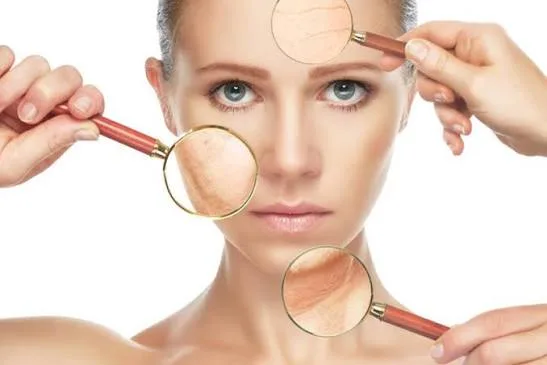
Many people use very basic and often temporary labels such as "oily", "dry" or "combination" when defining skin type. However, skin is a structure too complex to be limited only by how much oil it secretes. Assessments made with the naked eye or with the help of a magnifying glass show only the current condition of the epidermis, the skin’s outermost layer.
Yet sun-related melanin (spot) clusters, capillary dilations, structural losses in collagen and elastin fibers, and bacterial activity accumulated in the depths of pores occur in the dermis, the deeper layer of the skin. Acidic products, peels, or intensive moisturizers chosen based on hearsay or only a superficial look can disrupt the skin’s barrier function and do more harm than good. A real healing and protection process begins only when the skin is mapped objectively with millimeter-level data.
How Do Advanced (3D) Skin Analysis Devices Work?
Three-dimensional skin analysis systems used in clinical settings scan the skin layer by layer using light spectra at different wavelengths and high-resolution cameras. These systems generally collect data through three different lighting modes:
Standard Light (White Light): Images visible wrinkles, fine lines, overall texture irregularities, and the outer edges of existing pores on the skin surface.
Cross-Polarized Light: Prevents light from reflecting off the skin surface, allowing focus on a deeper layer. In this way, capillary cracks (couperose), redness, and inflammatory conditions that are not fully visible on the surface can be clearly detected.
Ultraviolet (UV) Light: Detects the distribution of melanin beneath the skin (sun damage and deep spots) as well as bacterial secretions called "porphyrin" located inside the pores. UV scanning plays a critical role, especially in the early detection of acne and age spots that will later surface.
Which Parameters Does Skin Analysis Measure and Report?
A detailed scanning process usually takes a few minutes, but the software behind it compares the resulting images with clinical databases made up of millions of data points and provides an extremely specific report. The main parameters evaluated in Nilüfer skin analysis applications are:
1. Spot and Pigmentation Map
Sunbathing in the summer or using a tanning bed may not immediately cause spots on the skin. The damage accumulates under the skin over the years and comes to the surface as age advances. In addition to freckles and spots on the surface, analysis devices show deep melanin accumulations that have not yet reached the surface. This data determines at what depth spot treatment or peeling should be applied.
2. Pore Depth and Blockages
The structures we see in the mirror as blackheads (open comedones) do not actually fully reflect the condition of the pore canals. UV analysis shows the sebum (oil) buildup inside the pores and the porphyrin substance produced by bacteria that pave the way for acne formation in fluorescent colors. In this way, it is determined whether the blockages are only superficial or whether they tend to turn into deep cystic acne.
3. Moisture and Sebum (Oil) Imbalance
Oily skin does not mean it does not need moisture. A skin deprived of moisture may produce more oil (sebum) as a defense mechanism to protect its barrier. Analysis devices measure the actual sebum level and water retention capacity in the T-zone and cheeks. Making this distinction correctly makes it possible to choose the right products that balance oil without drying out the skin.
4. Vascular Condition (Capillaries and Redness)
Widespread redness, especially around the sides of the nose and on the cheeks, may sometimes stem from sensitivity, but at other times it may signal the onset of rosacea or enlarged capillary networks. Cross-polarized light reveals the vascular network beneath the skin, exposing the true source of the redness.
5. Wrinkle Depth and Skin Age
Analysis programs measure the millimetric depth of crow’s feet, forehead lines, and nasolabial (nose-side) folds in the skin. The resulting findings are compared with healthy skin norms for the person’s own age group to calculate a "real skin age." This data shows the extent of elasticity loss and how much collagen-stimulating (mesotherapy, radiofrequency, etc.) procedures are needed.
Evaluation Process Within the Framework of Health Regulations
In accordance with the rules of the Ministry of Health’s "Regulation on Promotion and Information Activities in Health Services," the fundamental duty of centers providing health services is not to direct patients with commercial promises, but to inform them with evidence-based scientific data. Skin analysis serves exactly this purpose.
As a result of the analysis, expressions such as "if you buy this product, your spots will definitely go away" or "we guarantee a 100% smooth skin" cannot be used because they are misleading or promise definite results. Instead, objective measurements obtained from the analysis device are shared with the patient; the skin’s anatomical deficiencies (collagen deficiency, excessive melanin production, impaired pH balance) are explained, and medical options aimed at restoring or balancing these deficiencies are offered. The decision-making process proceeds entirely through the physician’s clinical experience and the patient’s awareness of their own body structure.
After the Analysis: Drawing a Personalized Roadmap
The ultimate purpose of skin analysis is to end random trial-and-error product use. Using strong spot-fading acids directly without repairing the skin barrier leaves the skin more vulnerable and increases pigmentation. In light of the data obtained, the following steps are planned:
Prioritization: The skin may need moisture, spot treatment, and acne control at the same time. However, they cannot all be treated simultaneously. Analysis makes it possible to determine the most urgent issue (for example, repairing a compromised skin barrier).
Clinical Protocol: If necessary, planning medical skin care, chemical peeling, microneedling, or laser procedures at the correct depth and intensity.
Home Care Products: Selecting cleanser, active ingredient (serum), and sunscreen directly according to the analysis data, suitable for the skin’s pH and sebum structure.
Conclusion
The rule often used in engineering, "you cannot manage and improve what you cannot measure," also fully applies to dermatology and medical aesthetics. Skin health is not a structure that can be protected with hearsay advice or standard package programs. Detailed skin analysis performed in clinics with infrastructure in the Bursa Nilüfer region objectively reveals what your skin needs at the cellular level. The first and most important step in building healthy skin that has a strong barrier and is resistant to signs of aging is to know your own biological structure with scientific data.